


 Sulfuric Acid ( H2SO4 ) is one of the most widely used and important acids, being an essential component to many industries. Equally as important is selecting the right material to survive this environment. This newsletter will provide options. WHICH IS BEST? That depends on BOTH concentration and temperature – … Continue reading
 316 stainless is a familiar alloy to many of us and perhaps one of the most widely used fastening materials. Though it serves a critical function for industry, 316 can often fall short in servicing challenging high strength, temperature and corrosion resistant applications. Here is how it measures up in …
  Inconel bolts are a nickel alloy fastener that are known for their use in high temperature applications that also require high strength. Many grades are also used for their excellent level of corrosion resistance in harsh chemical environments. This brief newsletter highlights the unique attributes of each Inconel bolt …
  Non-magnetic fasteners service a variety of applications mainly where magnetic “interference” needs to be avoided. Cryogenic and medical applications such as MRI’s are just a few of the key places non-magnetic fasteners are needed. This newsletter highlights a few specialty metal fasteners that can service non-magnetic needs. Inconel Bolts Non-magnetic …
  Cryogenic service can be harsh on any equipment, but gaskets have their own specific challenges. Due to the expansion and contraction when temperatures fluctuate between room and cryogenic, gasket sealing mechanisms can be compromised. This newsletter provides answers to issues facing gaskets in cryogenic service. How do cryogenic temps affect …
  Duplex Steel: Strength & Corrosion Resistance Beyond 316 316 Stainless steel fasteners have many applications, but if you are looking for an all-around improved fastener without breaking the budget, Duplex alloys might be a good choice. Duplex steel fasteners are known for their improved strength (being about 2x stronger) and …
  PEEK, PVDF and PTFE all offer lightweight, electrical & thermal insulation and great corrosion resistance. But when it comes to strength, temperature, purity and corrosion, each has its niche. The newsletter points out which is best to use in different conditions. TEMPERATURE PEEK and PTFE screws offer excellent high temperature …
 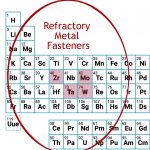 What is a refractory metal fastener? Molybdenum, tantalum, tungsten and zirconium are all refractory metals. (We are excluding titanium from this topic although it can be considered a refractory metal by certain definitions). All these refractory metal fasteners are characterized by their high-temperature melting points, but they also have other …
  Titanium is an amazing material offering strength, lightness of weight, and corrosion resistance but there are also instances that titanium should not be used. This brief newsletter covers the do’s and don’ts of titanium screws. Do Use for Saltwater & Chloride Resistance One of the most noteworthy uses of titanium …
 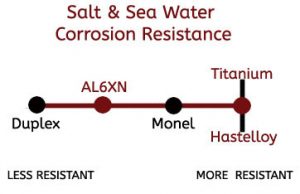 Salt water is great for swimming, but provides industry a wide range of corrosion challenges from marine vessels to desalination plants, and even off-shore oil. The good news is there are several materials that perform very well in these environments. This newsletter compares them on their salt water corrosion resistance …
 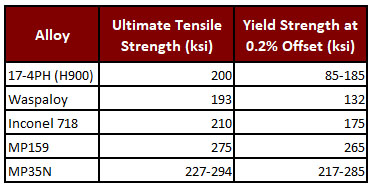 Extreme high strength fasteners made from advanced alloys allow industries such as aerospace, mining, and oil & gas to push the limits of what is possible. With requirements of ultimate tensile strengths beyond 200ksi this newsletter reviews these materials, their specific traits and niches. 17-4 PH Age hardened, 17-4PH …
  From thermal processing and furnace applications to the extreme demands of aerospace, several high temperature alloys are available each with unique traits and capabilities. This brief newsletter will outline the primary fastener materials that are commonly used for excellent high temperature and oxidation resistance. Best High Temperature Oxidation Resistant Fasteners …
 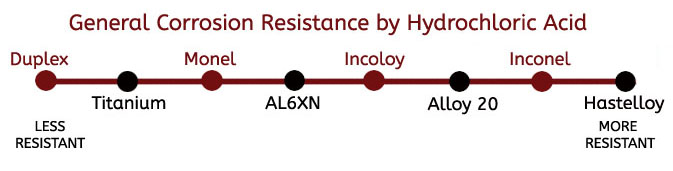 Nickel alloys are a special class of metals containing high levels of nickel (often greater than 20%). They play a key role in industry for their unique combination of high strength, corrosion resistance to harsh acids (like hydrochloric and sulfuric) and high temperature stability. This two-part newsletter will help summarize the distinct benefits of the …
 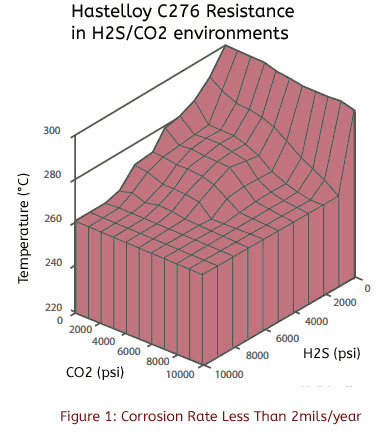 Oilfields are subjected to a diversity of corrosive elements including carbonic acids, sour gas (H2S), and fracking/stimulant acids such as hydrochloric and hydrofluoric acid. Naphthenic acids and simple organic acids are also found in crude oil extraction. In conjunction to acids, these environments contain sand and other abrasive elements which …
 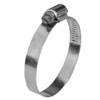 Special Fasteners China. offers hose clamps in Titanium and Hastelloy C276. This newsletter overviews the two styles available – worm drive and medium duty – as well as highlight what materials are best for your application. Titanium Grade 2 hose clamps are in stock and available in the sizes shown here. Hastelloy C276 hose clamps are custom made to order …
  Hastelloy alloys have long been the gold standard of corrosion resistant bolts; only out performed by metals like Zirconium and Tantalum. This family of high performance nickel alloys can handle strong acids like hydrochloric, sulfuric, acetic, formic and phosphoric acids, yet each grade actually exhibits its own strengths in dealing with specific acids and niche environments. …
 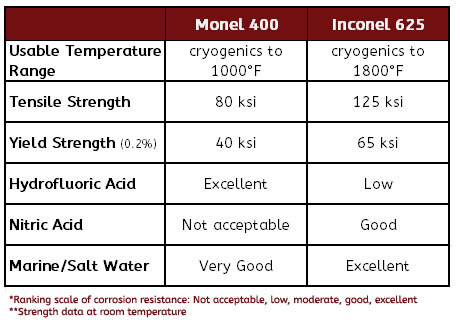 They rhyme, are both used in extreme environments, and are both nickel metal alloys, but Monel and Inconel are actually very different. But how? Let’s start with basic chemistry. Monel is a nickel-copper alloy and Inconel is a nickel-chromium alloy. So what does that mean for your extreme application? We …
 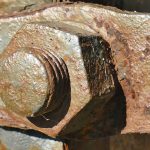 Thread galling is a common yet a seldom understood fastener problem seen by engineers and fabricators. It occurs when pressure and friction cause bolt threads to seize to the threads of a nut or tapped hole. The fasteners are not just overly tight but “cold/contact” welded together.
 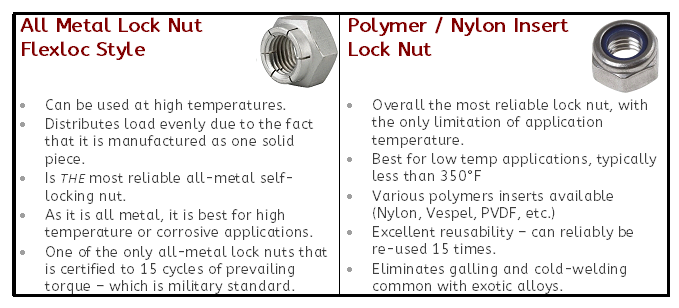 A lock nut resists loosening from vibrations and torque. Specialty material lock nuts offer the ideal solution to many extreme applications environments. They combine the unique properties of specialty materials, with the secure locking feature of a lock nut to prevent failures in the field.
 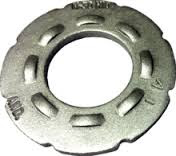 Tension, Not Torque Matters: How to Measure Bolt Tension In our last post, we discussed how measuring torque is an inaccurate way of getting the right bolt tension. In fact, a brand new bolt will require +/-40% torque to achieve the same tension as another new bolt out of the …
 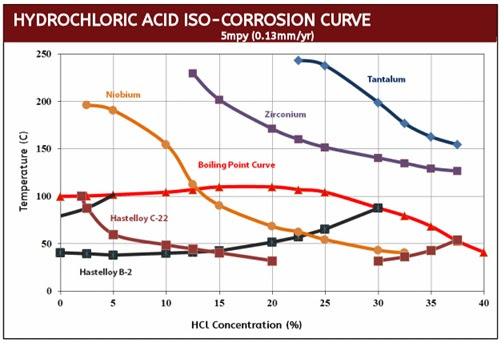 While hydrochloric acid (HCl) is a common and critical industrial chemical, it often causes significant maintenance issues for fasteners. Due to elevated temperatures, fluctuating concentrations and permeation of its vapors, utilizing the correct material for your fasteners is key to withstanding this potent acid. This article will briefly review some …
  While there are many grades of stainless steel available for fasteners, we will focus on three of the highest performing grades used: Super Duplex, A-286 and 17-4PH.When comparing these materials to 316 stainless steel, their properties – of corrosion resistance, strength and high temperature stability – are significantly improved.
 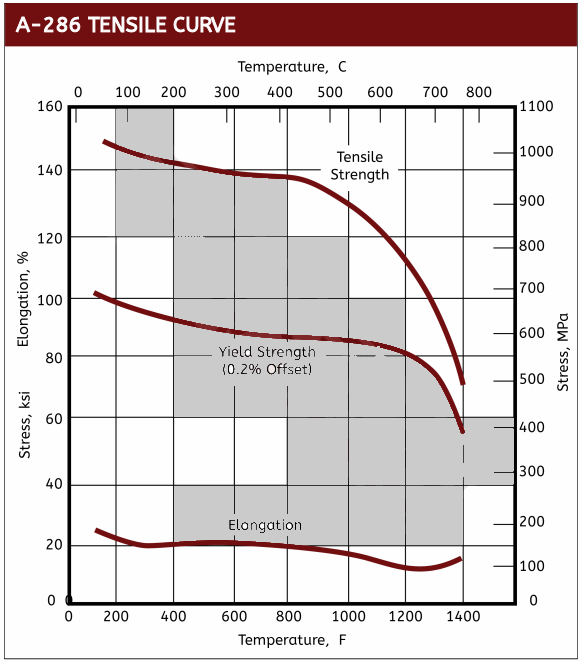 At elevated temperatures of beyond 1000°F, fasteners face a variety of complications which impact their performance. In this article, we will look at some common problems related to elevated temperatures and make recommendations of the best materials to address them.
 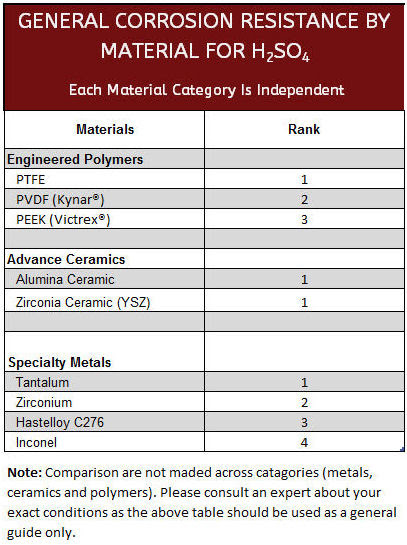 Sulfuric Acid (H2SO4) is one of the most widely used and industrially important acids in modern society, being an essential component in the production of polymers, fuels, pharmaceuticals, electronics, and mining. While sulfuric acid is commonly used, enabling fasteners to survive in this environment is not always an easy task. To help you tackle this feat, …
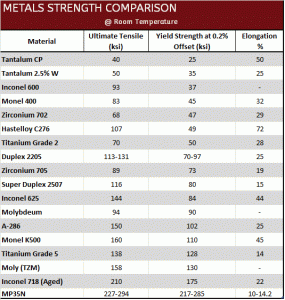
 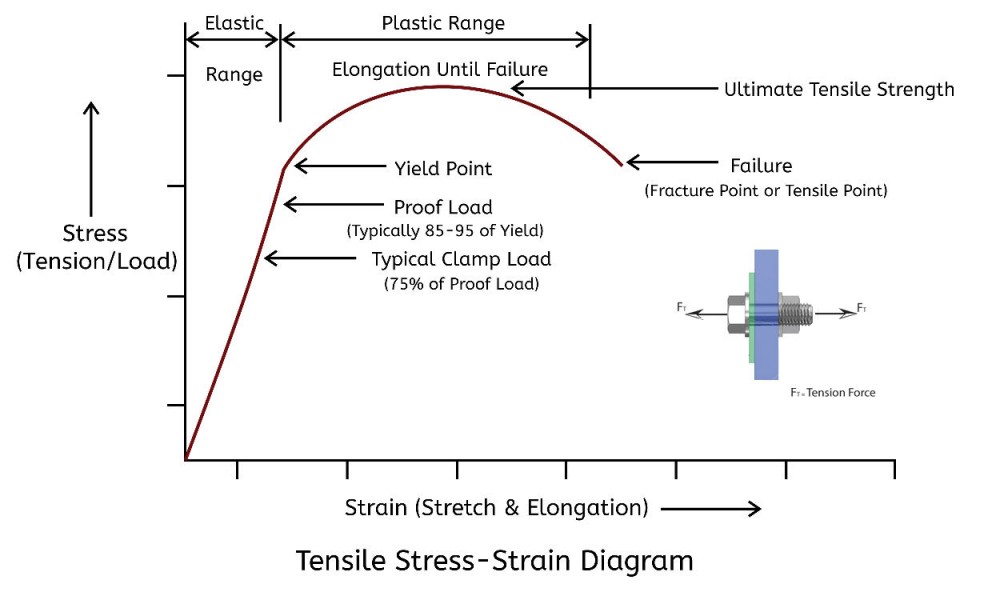 One of the most common questions we get at Special Fasteners China. & Fastener is “Which material is stronger?” People instinctively would like to compare the tensile strengths of various specialty metal fasteners to get the strongest one for their application. While this may seem like a reasonable thing to do, …
 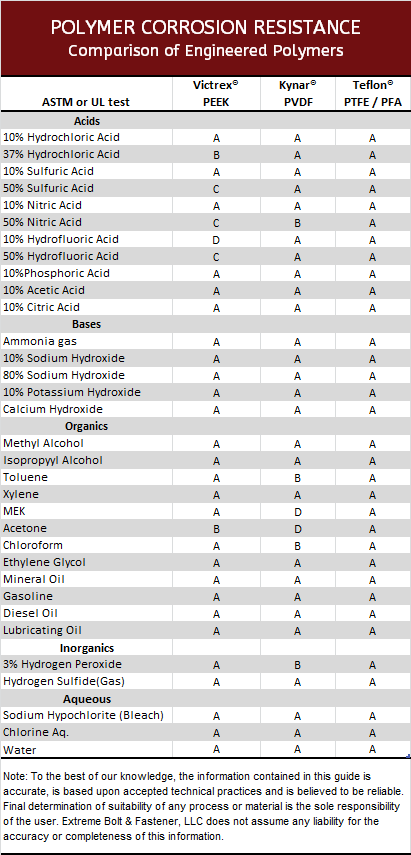 Choosing the right specialty polymer fastener for your corrosive application can be a confusing task. There are numerous material options, puzzling polymer acronyms and generally too much information. However, understanding the general chemical resistance of polymers will put you in a better position to make the best choice for your …
 Not sure what material is best for your application?
Contact an Expert